Boise outdoor kitchens zoning checks and permits for compliance
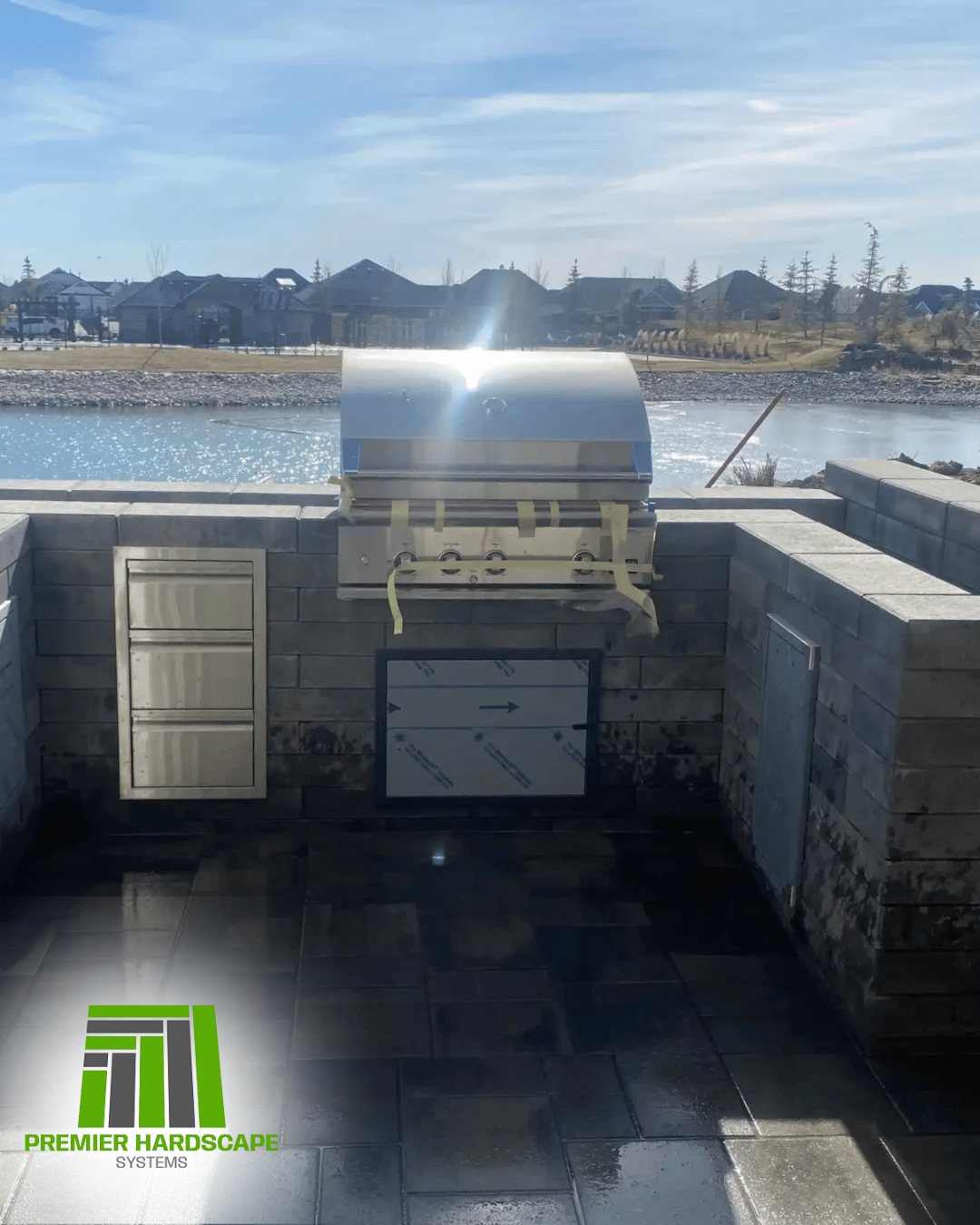
Outdoor kitchens in Boise and Caldwell ID bring outdoor living to life, but before you start building, understanding local zoning rules and permits is essential for a smooth and compliant project.
A clear spring morning in Boise finds you stepping out onto your backyard patio, coffee in hand, and planning the weekend barbecue. You’ve always envisioned an inviting outdoor cooking space, a custom-built outdoor kitchen where friends and family gather, meals are prepared under the open sky, and memories are made. But as you’re sketching ideas, you realize there’s more at stake than just a grill and countertop. You’ll need to navigate local zoning rules, building permits, utility connections, and inspection requirements. Skip or mismanage any of these steps and you risk delays, extra cost, or even removal of your new kitchen.
Why Zoning and Permitting Matter for Outdoor Kitchens
Adding an outdoor kitchen is more than placing a grill on a patio. You’re creating an additional cooking facility that may involve plumbing, electrical, gas, and structural work. In the City of Boise and Ada County, the rules ensure safety, protect property value, and maintain neighborhood standards. These processes exist to ensure your outdoor kitchen is safe, structurally sound, and compliant with local codes. They also help you avoid expensive fines or the need to dismantle unapproved structures.
What You Need to Check Before You Build Your Outdoor Kitchen
- Determine Zoning and Use Classification
Start by identifying your property’s zoning district. The Boise zoning code defines what types of construction are allowed in each area. Outdoor kitchens are typically considered accessory structures, meaning they must comply with setback, height, and placement rules. - Check Setback, Lot Coverage, and Accessory Structure Rules
Even though an outdoor kitchen might not be a full building addition, it’s often subject to the same rules. Your kitchen’s footprint, proximity to property lines, and height (if a cover is added) must all be within local limits. This ensures that your build does not encroach on neighboring properties or violate zoning ordinances. - Confirm Required Permits
Most outdoor kitchens require permits because they involve gas, electrical, or plumbing work. Boise’s building department requires permits for any construction that affects utilities or adds permanent structures. Even if your project seems simple, check with the city or county before you begin. - Check Structural and Engineering Requirements
If your outdoor kitchen includes a roof, pergola, or heavy stone base, you may need engineered drawings to meet local code. Boise’s climate includes freeze-thaw cycles and potential snow load, so proper foundation and support are essential for long-term stability. - Address Utility Connections and Safety
Gas lines, water pipes, and electrical wiring must all meet safety codes. Installations should be handled by licensed professionals to prevent hazards and to ensure your inspections go smoothly. Proper ventilation and clearance distances from combustible materials are also mandatory for outdoor cooking spaces. - Plan for Inspections, Fees, and Timelines
Once permits are submitted, the city will schedule inspections for each stage of the project. Expect to pay permit fees and allow time for reviews. The process helps guarantee your outdoor kitchen is built safely and up to standard.
Common Mistakes Homeowners Make and How to Avoid Them
- Skipping Zoning Review
Many homeowners assume an outdoor kitchen is just patio furniture and begin construction without checking zoning regulations. This can lead to stop-work orders or costly redesigns. Always confirm zoning compliance before signing any contracts. - Ignoring Setback Rules
Incorrect placement can cause major issues later, especially if your structure crosses setback lines. Use site plans to confirm proper distances from property boundaries. - Underestimating Utilities and Inspections
Adding gas or plumbing without the correct permits can result in fines or failed inspections. Work with licensed professionals who understand the requirements. - Forgetting Climate Considerations
Boise experiences harsh winters and freeze-thaw cycles. Without proper materials or drainage, your outdoor kitchen can crack or shift. Choose materials suited for Idaho’s weather and ensure proper grading and water management.
How Working with Us Simplifies the Process
At Premier Hardscape Systems, we design and build outdoor kitchens that meet Boise’s zoning and permitting requirements. Because we handle everything from planning to construction, we make the process seamless for homeowners.
Here’s how we help:
- We start with a site assessment to confirm zoning and setback requirements before any construction begins.
- We prepare drawings and documentation needed for building permits and coordinate directly with local building departments.
- We handle all aspects of construction, including gas, plumbing, and electrical components, ensuring everything is up to code.
- We schedule and manage inspections to keep your project on track and fully compliant.
- We choose durable materials and proven construction techniques suited to Boise’s climate to ensure your outdoor kitchen lasts for years.
Working with us means you don’t have to juggle contractors or worry about permit paperwork. We guide you every step of the way so you can focus on the fun part, creating your ideal outdoor space.
Frequently Asked Questions
Q: Do I always need a building permit for an outdoor kitchen in Boise?
A: Not always. A simple grill and countertop setup might not need one, but if your design includes gas, plumbing, or permanent structures, you’ll need permits. Always check with the building department first.
Q: What if my property is in a Hillside or flood zone?
A: These areas often require additional review and may need engineered designs for safety and stability. It’s best to confirm with local authorities before starting construction.
Q: How far should my outdoor kitchen be from property lines or combustible materials?
A: Distances vary depending on the type of appliances and structure. Fire features, for example, must be several feet from combustible materials. Your contractor should confirm all safety clearances.
Q: If I only add a sink or mini-fridge, do I still need separate permits?
A: Yes. Plumbing and electrical changes often require specific permits, even if the rest of the kitchen is already approved.
Q: Can an outdoor kitchen increase my home’s value?
A: Definitely. A well-designed, code-compliant outdoor kitchen enhances your home’s appeal and resale value. It also extends your living space and makes entertaining easier.
Building an outdoor kitchen in Boise can transform your backyard into a functional and stylish space for gatherings. But zoning, permits, and inspections are essential parts of the process that protect your investment and ensure safety. By addressing these requirements early, you’ll avoid delays, extra costs, and potential penalties.
At Premier Hardscape Systems, we take the stress out of building your outdoor kitchen. We handle the permitting process, design and build with local regulations in mind, and deliver high-quality craftsmanship that lasts. When you’re ready to bring your outdoor kitchen to life, we’ll make sure every step is smooth, compliant, and beautifully executed.
Top Boise Idaho Hardscaping and Landscaping Services
Providing Boise, Idaho and surrounding areas with hardscape and landscaping services with over 2 decades of experience for the best outdoor living solutions in Treasure Valley. When you want the very best, contact Premier Hardscape Systems, 208-286-5197.